
Independent Play Activities for Toddlers
Independent play activities for toddlers can make busy days feel a little easier. Finding simple toddler activities your child can enjoy on their own gives you a chance to unload the dishwasher, make lunch, answer a text, or simply catch your breath.
If you’ve ever felt guilty for wanting a few quiet minutes, you’re not alone. Independent play isn’t about ignoring your toddler. It’s about giving them the chance to explore, imagine, and build confidence while you take care of real life.
These low-prep independent play ideas are fun, realistic, and easy to add to your daily routine. Try a few favorites and see which ones your toddler comes back to again and again.
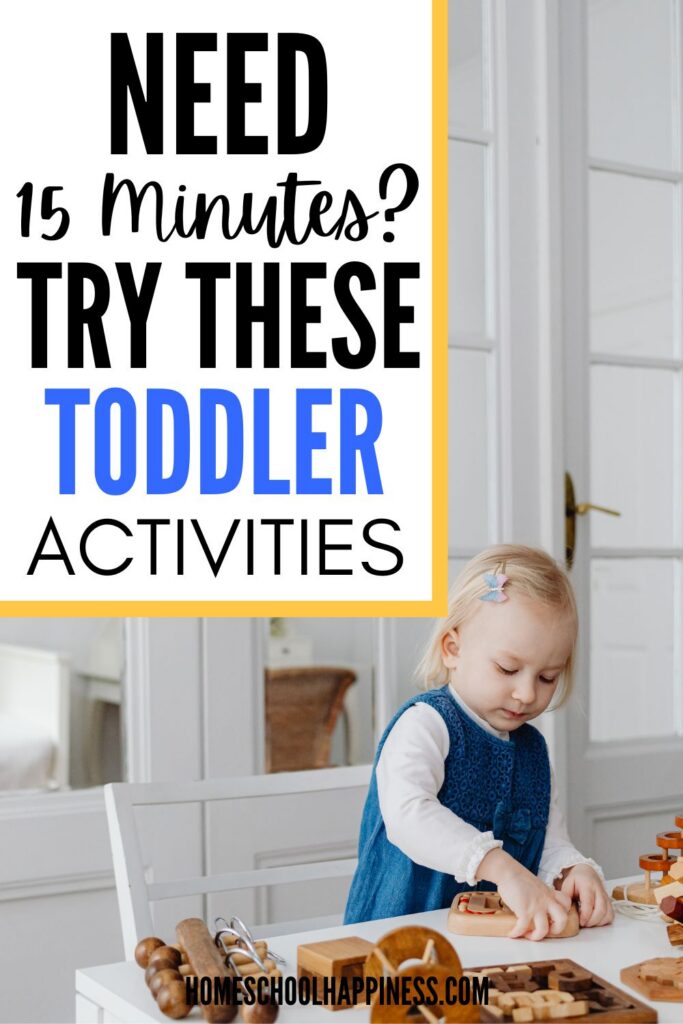
Quick Tips Before You Start
A little planning can make independent play more successful for both you and your toddler.
- Start small. Begin with just 5 to 10 minutes of independent play. As your toddler becomes more comfortable, you can gradually increase the time.
- Rotate toys regularly. Instead of keeping every toy available, put some away and swap them out every week or two. Familiar toys often feel new again after a short break.
- Offer fewer choices. Too many options can be overwhelming. Setting out just two or three activities often keeps toddlers focused longer.
- Keep activities within reach. Store toys on low shelves or in easy-to-grab baskets so your toddler can choose an activity without needing your help.
- Celebrate their independence. Instead of focusing on how long they played alone, praise their creativity, problem-solving, and willingness to explore on their own.
Independent Toddler Activities
Activity Trays
Activity trays are one of the easiest ways to encourage independent play. Each tray focuses on a single activity, making it easy for toddlers to sit down, explore, and play without feeling overwhelmed. Set out one tray at a time and rotate them throughout the week to keep things fresh.
1. Pom-Pom Transfer
Fill a tray with colorful pom-poms and let your toddler move them from one bowl to another using their hands or toddler tongs. A simple pom pom transfer activity builds fine motor skills and hand-eye coordination.
2. Color Sorting
Place a few colored bowls or cups on a tray along with matching pom-poms, blocks, or large buttons. Encourage your toddler to sort each item by color.
3. Animal Rescue Tray
Wrap small plastic animals in painter’s tape and challenge your toddler to “rescue” them by peeling the tape off. It’s fun, low prep, and great for strengthening little fingers.
4. Matching Cards
Create simple picture or color-matching cards and place them on a tray. Toddlers can match identical images while practicing observation skills.
5. Posting Activity
Cut a slot in the lid of a container and provide large craft sticks, poker chips, or jumbo pom-poms for your toddler to post through the opening. This classic activity encourages concentration and fine motor development.
6. Muffin Tin Sorting
Place a muffin tin on a tray with colorful objects, such as pom-poms, large beads, or blocks. Invite your toddler to sort the items into the cups by color, size, or shape.
Favorite Supplies for Activity Trays
A few simple supplies can turn dozens of everyday ideas into engaging independent play activities.



Table Activities
Table activities are perfect when you need your toddler to stay in one place for a little while. They’re easy to set up, require very little cleanup, and encourage quiet, focused play.
7. Sticker Books
Sticker books offer toddlers endless opportunities to peel, place, and reposition stickers, strengthening fine motor skills. Choose large, easy-to-hold stickers for younger toddlers and let them decorate the pages however they like.
8. Water Wow Books
Water Wow books are a favorite for independent play because there’s no mess to clean up. Toddlers simply fill the included water pen and watch colorful pictures appear as they color each page.
9. Reusable Sticker Scenes
Reusable sticker scenes let toddlers create new stories every time they play. Since stickers can be reused, they’re perfect for encouraging creativity without creating extra waste.
10. Magnetic Drawing Board
A magnetic drawing board gives toddlers a screen-free way to draw, erase, and start over as many times as they like. It’s an excellent choice for quiet time, travel, or independent play at the table.
11. Tracing Boards
Wooden tracing boards help toddlers practice following lines and shapes while building the hand control they’ll need for writing later on. They’re simple, calming activities that many children return to again and again.
12. Chunky Wooden Puzzles
Chunky wooden puzzles are just the right size for little hands. Whether your toddler is matching animals, vehicles, or shapes, puzzles encourage problem-solving, concentration, and independent thinking.
Favorite Table Activities for Toddlers
If you’re looking to build an independent play collection, these are some of the table activities that families use again and again.
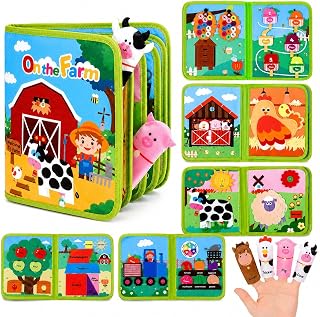


Building Activities
Building toys encourage creativity, problem-solving, and independent thinking. There isn’t a right or wrong way to play, so toddlers can stack, build, knock things down, and start all over again. These open-ended activities often keep little ones engaged longer because every play session is different.
13. Magnetic Tiles
Magnetic tiles are a favorite for independent play because they’re easy for little hands to connect and separate. Toddlers can build simple towers, colorful patterns, and imaginative creations while exploring shapes and balance.
14. Wooden Blocks
A classic set of wooden blocks provides endless opportunities for open-ended play. Your toddler can stack towers, build roads, create animal homes, or simply enjoy knocking everything down and starting again.
15. Stacking Cups
Stacking cups are much more versatile than they look. Toddlers can build tall towers, nest the cups together, sort them by size, or use them during pretend play, making them a toy they’ll return to again and again.
16. DUPLO Bricks
Large DUPLO bricks are easy for toddlers to snap together and pull apart independently. They encourage imaginative play while helping develop fine motor skills and early engineering concepts through simple building projects.
Favorite Building Toys for Toddlers
If you’re looking for toys that grow with your child, these building activities are worth adding to your collection.


Low-Mess Sensory Play
Sensory play doesn’t have to mean glitter, slime, or a huge cleanup afterward. These simple sensory activities are easy to set up, simple to put away, and perfect for encouraging independent exploration.
17. Dry Rice Bin
Fill a shallow bin with dry rice and add a few scoops, cups, or small toys for your toddler to discover. Placing the bin on a tray or washable mat helps keep cleanup quick and easy.
18. Pom-Pom Sensory Bin
|Add colorful pom-poms to a container along with bowls, tongs, or measuring cups. Toddlers can scoop, sort, and transfer the pom-poms while strengthening fine motor skills.
19. Felt Pieces
Cut colorful felt into simple shapes or use pre-cut felt pieces. Toddlers can sort, stack, and create pictures without the mess of glue or paint.
20. Scarf Play
Lightweight play scarves encourage imaginative play and movement. Toddlers can hide toys, fill baskets, wave them through the air, or use them during pretend play.
21. Large Bead Exploration
Offer a container of large wooden or plastic beads for sorting, scooping, or transferring between bowls. Be sure to choose beads that are large enough for your toddler’s age and always supervise to avoid choking hazards.
22. Scooping Station
Fill a sensory bin with dry pasta, cereal, or another taste-safe filler and provide scoops, measuring cups, and small containers. Scooping and pouring can keep toddlers happily engaged while building coordination.
Favorite Sensory Play Supplies
A few reusable supplies can be mixed and matched to create dozens of low-prep sensory activities.


Pretend Play Activities
Pretend play encourages toddlers to use their imagination while practicing everyday skills they’ve observed at home. These open-ended activities often lead to longer periods of independent play because there are endless ways to play.
23. Play Kitchen
A play kitchen lets toddlers cook imaginary meals, stir pretend soup, and serve snacks to family members or stuffed animals. Add a few pots, pans, and play food to keep the fun going.
24. Baby Doll Station
Set up a simple doll care station with a baby doll, a blanket, a toy bottle, and a small bed or basket. Toddlers love caring for their babies by feeding, rocking, and tucking them in for naps.
25. Stuffed Animal Vet
Gather a few stuffed animals and let your toddler become the veterinarian. A toy stethoscope, bandages, or doctor kit can inspire hours of imaginative play.
26. Grocery Shopping
Fill a small basket with play food or pantry items and encourage your toddler to shop around the room. They can “buy” groceries, stock shelves, or prepare meals in their play kitchen.
27. Toy Cleaning Station
Toddlers love copying what they see adults do. Give them a child-sized broom, dustpan, or toy cleaning set so they can sweep, dust, and tidy up alongside you.
Favorite Pretend Play Toys
These pretend play favorites encourage creativity and imaginative storytelling while supporting independent play.


Quiet Time Activities
Quiet time activities are a great way to help toddlers wind down before nap time or enjoy a calm break during the day. Choose activities that encourage focus and imagination without creating a lot of excitement or mess.
28. Look-and-Find Books
Look-and-find books encourage toddlers to slow down and search for familiar objects on each page. They’re a fun way to build observation skills while keeping little minds engaged.
29. Lacing Cards
Lacing cards help toddlers practice hand-eye coordination as they thread a lace through the holes. They’re simple, quiet, and easy to use at the table or on the floor.
30. Felt Boards
A felt board gives toddlers endless opportunities to create scenes, tell stories, and move colorful pieces around again and again. Since nothing rolls away or makes noise, it’s a perfect quiet time activity.
31. Audio Stories
Play an age-appropriate audio story while your toddler follows along with a favorite book, cuddles a stuffed animal, or simply relaxes. Listening to stories encourages imagination while giving everyone a few peaceful minutes.
32. Picture Books
Fill a small basket with sturdy board books or picture books your toddler can “read” independently. Looking through familiar stories builds confidence and often becomes part of a calming daily routine.
33. Soft Toys
A favorite stuffed animal or soft doll can inspire quiet pretend play before nap time. Many toddlers enjoy caring for their cuddly friends, creating simple stories, or settling in for a little rest together.
Favorite Quiet Time Activities
These quiet play favorites are perfect for helping toddlers slow down before naps, during quiet time, or whenever they need a calm activity.


Create an Independent Play Basket
One of the easiest ways to encourage independent play is to create a simple basket your toddler can choose from each day. Instead of filling it with lots of toys, include just a handful of carefully selected activities and rotate them every week or two. Keeping the basket fresh helps maintain your toddler’s interest without constantly buying new toys.
A well-stocked independent play basket might include:
- One chunky wooden puzzle
- One favorite board or picture book
- One simple sensory activity, such as pom-poms with a scoop and container
- One open-ended building toy, like magnetic tiles or stacking cups
- One pretend play item, such as a baby doll or play food
Store the basket on a low shelf where your toddler can reach it without help. When playtime starts to feel stale, swap out a few items instead of replacing everything at once. Even familiar toys can feel exciting again after a short break.
Sample Independent Play Routine
Independent play doesn’t have to happen all at once. Short sessions spread throughout the day often feel more natural for toddlers and are easier to build into your routine.
| Time of Day | Independent Play Idea | Suggested Time |
|---|---|---|
| Morning | Offer an activity tray or table activity while you clean up breakfast or start a load of laundry. | 10–15 minutes |
| Before Lunch | Set out building toys or a simple sensory activity while you prepare lunch. | 15–20 minutes |
| Afternoon | Encourage pretend play or quiet time activities before nap or during a quiet part of the day. | 20–30 minutes |
Remember that every toddler is different. Some children will happily play on their own for 20 minutes, while others may only last 5 minutes at first. That’s perfectly normal. The goal is to build confidence over time, not to expect long stretches of independent play right away.
If you’re looking for more ways to build independent play into your day, take a look at our Toddler Daily Schedule for a simple routine that balances active play, quiet time, meals, and rest.
Safety Note
Independent play doesn’t mean unsupervised play. Always choose age-appropriate toys, avoid choking hazards, and keep your toddler within sight or hearing distance while they play.
Before introducing a new activity, check that all materials are safe for your child’s age and developmental stage. If an activity includes small parts or sensory materials, stay nearby and supervise as needed to help keep playtime safe and enjoyable.
Readers Also Ask
Most toddlers begin practicing independent play between 12 and 18 months. Start with simple activities and short play sessions, then gradually increase the time as your child becomes more confident.
That’s completely normal. Stay nearby at first, offer just one or two activities, and gradually increase the time your toddler plays independently.
Not really. Hands-on activities like building, sorting, and pretend play encourage creativity and problem-solving in ways that screens can’t.
Independent play doesn’t have to last an hour to make a difference. Even a few minutes of focused, independent play can help your toddler build confidence while giving you a chance to tackle everyday tasks or simply take a quick break.
Start with one or two activities, rotate them regularly, and see which ones your toddler enjoys most. Before you know it, independent play can become a simple, stress-free part of your daily routine.

Tara is a homeschool mom and the voice behind Those Little Steps. She writes gentle, honest guides to help new moms feel supported, not overwhelmed, as they embark on their pregnancy and motherhood journeys.