
10 Sensory Bottle Ideas for Toddlers
Some days, it feels like your toddler’s energy could power the whole house. If you’re looking for sensory bottle ideas for toddlers, you’re in the right spot. These little bottles are a calm, mess-free way to keep busy hands occupied and curious minds engaged.
Sensory bottles fall under the bigger umbrella of sensory activities for toddlers—the kind that help little ones explore the world through sight, sound, and touch without turning your living room into a disaster zone. They’re easy to make, soothing to watch, and perfect for quiet moments when everyone needs a reset.
Simple, low-prep, and endlessly adaptable—that’s the kind of play every mom can get behind.

What’s a Sensory Bottle (and Why it Helps)
A sensory bottle is simply a clear, sealed container filled with materials your toddler can shake, watch, and explore. Think of it as a tiny world in a bottle—glitter swirling, beads floating, or colors mixing together.
These simple bottles pack in big benefits. They build focus, help toddlers calm down after big feelings, and spark curiosity about how things move and mix. As little ones turn them over and watch everything settle, they’re learning about cause and effect, floating and sinking, and even early problem-solving.
Most of all, sensory bottles give toddlers a safe, hands-on way to explore without creating chaos—a win for both of you.
What You’ll Need
You don’t need anything fancy to make a sensory bottle. Start with what you already have around the house.
Basics you’ll likely have on hand:
- Empty clear plastic bottles (water bottles work great)
- Warm water
- A little clear glue or hair gel for slower movement
- Food coloring or liquid watercolor
- Small items to float or sink—buttons, pom-poms, beads, rice, or sequins
Optional extras for variety:
- Glitter or confetti for sparkle
- Baby oil or cooking oil to create slow-motion bubbles
- Tiny trinkets for themed bottles (animals, shells, LEGO pieces)
Before playtime, always make sure the lid is sealed tightly with hot glue or duct tape. Supervise your toddler while they explore—especially if they’re still in the everything-goes-in-the-mouth stage.

How to Make a Sensory Bottle
Making a sensory bottle is quick and simple—no craft skills required.
- Fill: Start by adding your chosen materials to the bottle. Pour in water until it’s about two-thirds full, then mix in glue, oil, or other add-ins.
- Seal: Twist on the lid and give it a gentle shake. Adjust as needed—more glue or oil will slow things down, less will make everything move faster.
- Test: Once you like how it looks, seal the lid tightly with hot glue or wrap duct tape around the cap for extra security.
There’s a little trial and error involved, and that’s part of the fun. Each bottle ends up unique—just like your toddler’s imagination.
When to Use Them
Sensory bottles can be your quiet-time secret weapon. They’re great for moments when your toddler needs a calm distraction or when you just need five peaceful minutes.
Pull one out during independent play while you make dinner or fold laundry. Use it as a calming tool before nap or bedtime to help little bodies slow down. They also travel well—perfect for car rides, waiting rooms, or grocery store lines.
And when big emotions hit, a sensory bottle can help your toddler refocus and reset. Watching everything gently move inside gives them something safe and soothing to hold onto.
Sensory Bottle Ideas for Toddlers
Ready to try some new sensory play ideas for your toddler? Each one in this list is simple to make, with materials you probably already have at home.
Whether you’re aiming for calm, curiosity, or just a few quiet minutes, these bottles turn everyday items into hands-on fun your little one will love.

A coral reef bottle makes a captivating little ocean-in-a-bottle for kids. Give it a shake, and the sparkling blue water sends the tiny sea creatures swirling around, just like waves and currents in the real ocean.

A coral reef bottle makes a captivating little ocean-in-a-bottle for kids. Give it a shake, and the sparkling blue water sends the tiny sea creatures swirling around, just like waves and currents in the real ocean.
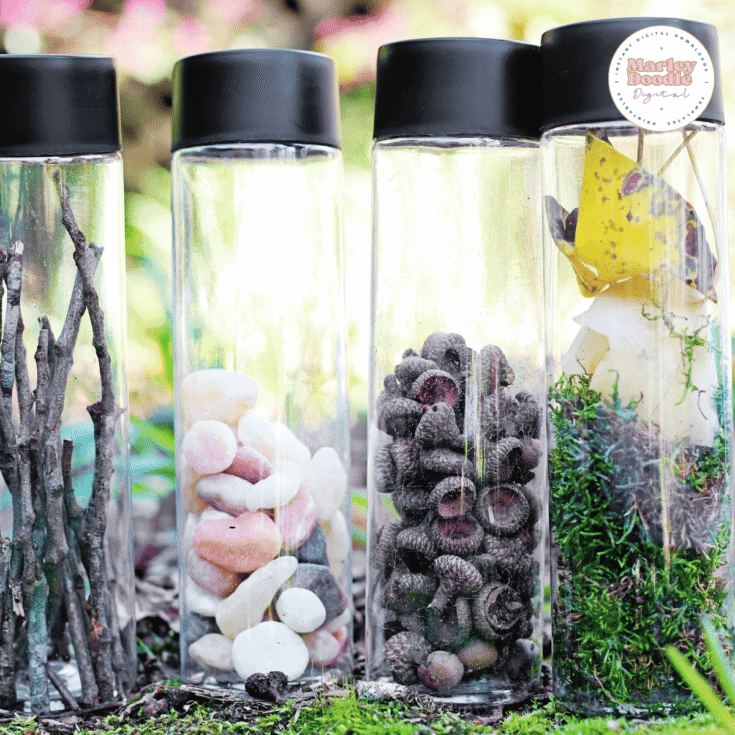
These bottles are a perfect way to explore another sense beyond just sight. Kids can hear the difference in how gathered twigs, pebbles, and all sorts of natural items sound when the bottle is rattled.

Fun Emotions Sensory Bottles for Toddlers: A Hands-On Way to Explore Feelings
These cute, colorful, glittery bottles are perfect for exploring beyond just the sensory. Color each one differently and add an expression drawn on the outside so kids can work on identifying emotions.

This sensory bottle idea is too easy to make, and the end results are out of this world. Gather some galaxy-colored glitter and a few other things for a journey through space.

Here’s a way for kids to have some sensory fun while exploring a STEM concept. They can use magnets to see how magnetic objects are affected, whether it’s through water, rice or just open air.

This sensory bottle is full of pleasant sensory input. The sound of rice rattling combined with the bright blue and rainbow colors make it a favorite of toddlers.

Let kids have fun with a sensory bottle while learning a little about letters and words at the same time. Toddlers will love naming the colors and names of the letter beads in this bottle.

Mini Aquarium in a Bottle: Ocean Sensory Play to Learn and Explore
This micro aquarium is so much fun for kids to watch, and it can travel anywhere they do. The sea creatures alongside the sand and water make for a unique swirling experience.
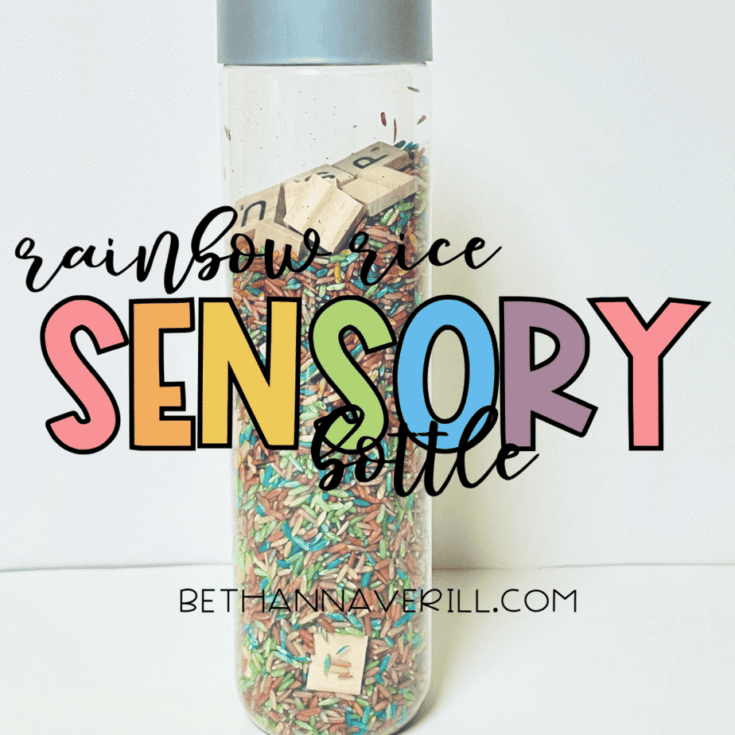
Rainbow rice is simple to dye, and once it’s dry, this sensory bottle idea is ready to go. Drop in a few letter tiles so kids can shake and search for hidden letters.

The best part about sensory bottles is that there’s no “right” way to make them. Try different fillers, colors, or themes—your toddler will love exploring whatever you create. You don’t need special supplies or perfect results, just a few minutes and a clear bottle.
These small, simple setups can bring a surprising bit of calm to the everyday chaos and remind you both that play doesn’t have to be complicated to be meaningful.

Tara is a homeschool mom and the voice behind Those Little Steps. She writes gentle, honest guides to help new moms feel supported, not overwhelmed, as they embark on their pregnancy and motherhood journeys.