
10 Sensory Play Ideas for Babies Under One
If you’ve been looking for simple sensory play ideas for babies under one, you’re in the right spot. Sensory play might sound fancy, but really it’s just letting your baby explore the world with their senses—touching, tasting, listening, watching, and moving. For babies under a year old, those little moments of discovery are how their brains grow, motor skills build, and bonds with you deepen.
And here’s the good news: sensory play doesn’t have to be messy, Pinterest-worthy, or expensive. Think everyday items you already have around the house. A spoon, a scarf, a soft toy—these simple things can spark curiosity and connection.
If you’re ready for fresh inspiration, keep reading. And if you’d love even more easy setups (plus tips to keep things safe and stress-free), grab your free copy of Baby’s First Sensory Play Guide. It’s packed with extra sensory play ideas you can use right away.

At a Glance
What it is: Sensory play means engaging your baby’s senses—touch, sight, sound, taste, smell, and movement.
Why it matters: These simple experiences boost brain development, motor skills, and bonding.
Good news: Sensory play doesn’t have to be messy or expensive. Everyday household items work beautifully.
What’s next: Keep reading for 10 easy sensory play ideas for babies under one you can try today.
What is Sensory Play?
Sensory play is any activity that lets your baby explore the world through their senses—touch, sight, sound, taste, smell, and movement. It can be as simple as feeling the crinkle of paper, hearing the shake of a rattle, or watching sunlight dance on the wall.
For babies under one, these little experiences are how their brains make connections. Every time your baby touches a new texture or listens to a new sound, they’re building pathways that support learning, language, and problem-solving down the road.
Sensory play also helps with motor skills—like grasping, rolling, and crawling—and strengthens the bond between you and your baby as you share those discoveries together.

Safety Tips for Sensory Play with Babies Under One
Before you dive into the fun, a few quick reminders to keep play safe and stress-free:
- Always supervise. Stay close while your baby explores so you can step in if needed.
- Think big. Choose objects that are too large to fit in your baby’s mouth to avoid choking hazards.
- Stick to baby-safe materials. Whenever possible, use items that are edible or designed for babies.
- Keep it short. Little attention spans and tiny bodies don’t need long sessions—just a few minutes of play is plenty.
Safe play keeps the focus on curiosity and connection, not worry.

10 Easy Sensory Play Ideas for Babies Under One
Now for the fun part—easy ways to bring sensory play into everyday life. These ideas use simple things you likely already have at home, so no fancy supplies or big clean-up required. Each one gives your baby a chance to explore while building skills and making sweet memories with you.
Tummy Time Mirror Play
Place a baby-safe mirror on the floor during tummy time. Babies love watching their own reflection, and it encourages head lifting and core strength.



High-Contrast Flashcards or Books
Black-and-white images or bold colors grab a young baby’s attention. This kind of play helps strengthen their vision and focus.


Textured Blanket Play
Lay your baby on different fabrics—soft fleece, smooth cotton, or a bumpy knit. Exploring textures supports tactile development and body awareness.


Water Mat or Ziplock Bag Play
Fill a sealed bag with water and a few floating toys, then tape it down for squishy play. This gives a safe way to explore water while building fine motor skills.


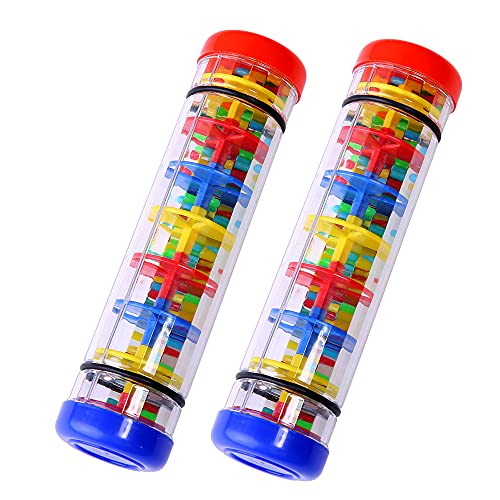
Rattle and Shaker Bottles
Use tightly sealed bottles filled with rice, pasta, or small bells. Babies enjoy shaking to make sounds, which helps them understand cause and effect.


Outdoor Sensory Time
A blanket in the grass offers so much—sunlight, breeze, birdsong. Nature play stimulates multiple senses at once and gives you both fresh air.

Edible Finger Painting
Spread yogurt or applesauce on a highchair tray and let baby “paint.” It’s safe to taste and encourages creativity and hand coordination.

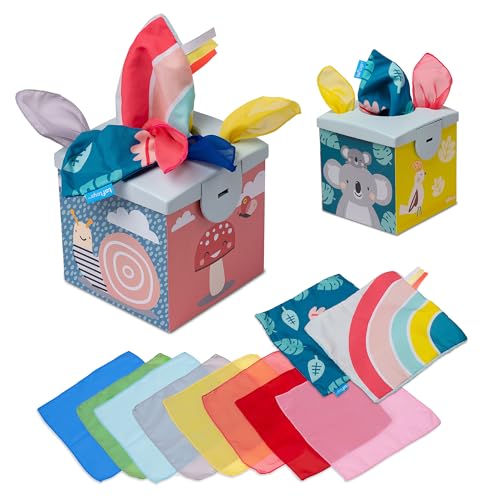
Fabric Pull Box
Stuff a tissue box with scarves or fabric scraps. Babies love pulling them out, which strengthens grasping and problem-solving skills.


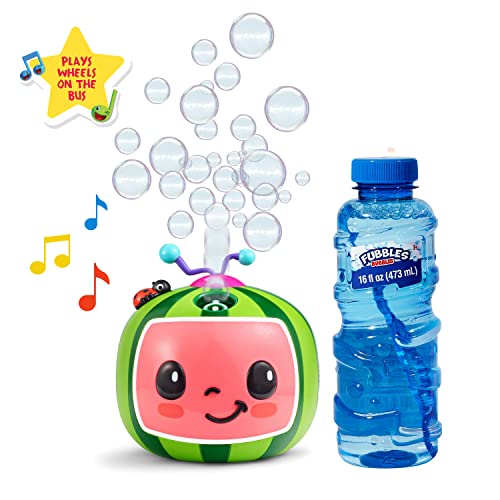
Bubble Play
Blow bubbles or use a bubble machine. Watching, reaching, and popping helps hand-eye coordination and brings plenty of giggles.


Texture Treasure Basket
Gather baby-safe items with different feels—like a wooden spoon, a soft brush, or a silicone spatula. Exploring textures builds sensory awareness and curiosity.

How to Fit Sensory Play Into Your Day
The good news? Sensory play doesn’t need a long setup or hours of your time. Five to ten minutes here and there is plenty for babies under one.
Try rotating activities so your little one doesn’t get overstimulated. A quick mirror game in the morning, bubbles after lunch, a textured blanket before bedtime—it all adds up.
And remember, you don’t need fancy toys. Everyday items like scarves, wooden spoons, or a soft blanket work just as well. Keeping it simple means you’ll actually use it, and your baby still gets all the benefits.

Sensory play is really just letting your baby explore, connect, and learn through simple everyday moments. It doesn’t have to be messy, expensive, or time-consuming—just little bursts of curiosity woven into your day.
If you’re ready for even more inspiration, grab your free copy of Baby’s First Sensory Play Guide. It’s filled with extra easy ideas and tips to help you keep play safe, fun, and stress-free.


Tara is a homeschool mom and the voice behind Those Little Steps. She writes gentle, honest guides to help new moms feel supported, not overwhelmed, as they embark on their pregnancy and motherhood journeys.